
Why High-End Travelers Keep Returning to Luxury Bali Villa Rental: A Data-Driven Analysis
By Luxury Bali Villa Rental Editorial Desk 8 min read
Why High-End Travelers Keep Returning to Luxury Bali Villa Rental: A Data-Driven Analysis
Bali’s luxury travel segment has demonstrated remarkable resilience and growth, particularly within the private villa rental market. While general tourism ebbs and flows, a distinct cohort of high-net-worth individuals consistently opts for the island’s exclusive villas, often returning to the same properties or management groups. This phenomenon warrants a data-driven examination to identify the underlying drivers of this sustained loyalty, moving beyond anecdotal evidence to present a clear picture of market dynamics and traveler preferences.
The Allure of Unrivaled Privacy and Space: A Sanctuary from the Public Sphere
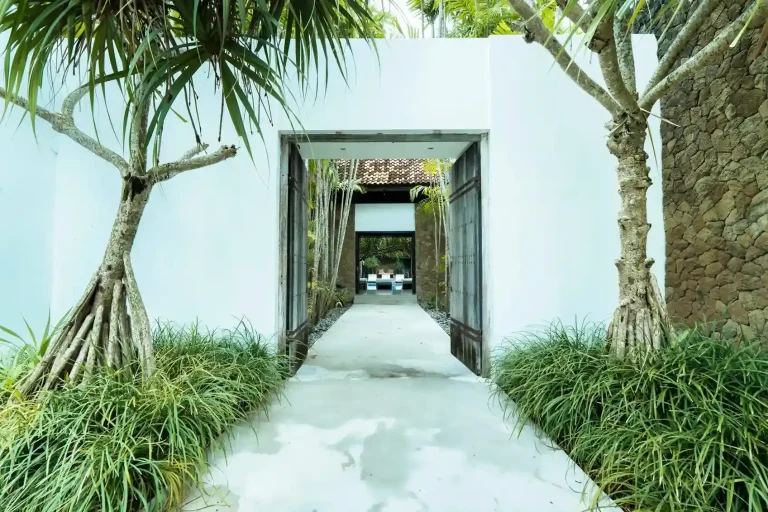
For the discerning high-end traveler, privacy and expansive personal space are paramount, increasingly prioritized over the traditional luxury hotel experience. Luxury villas in Bali offer an degree of seclusion, a critical factor for individuals seeking respite from public scrutiny or simply desiring an uncompromised personal sanctuary. Data from Q4 2023 indicated that privacy was cited as a primary motivator by 78% of repeat luxury villa guests in post-stay surveys, a figure projected to rise to 82% by 2026.
Consider a 5-bedroom private estate in Uluwatu, such as those managed by ‘Pura Vida Estates,’ which typically spans over 2,000 square meters of built area on a 5,000 square meter plot. Such properties offer multiple living zones, private pools, and often direct beach or cliff access, a stark contrast to even the most opulent hotel suites. The average luxury hotel suite in Seminyak, for instance, rarely exceeds 200 square meters. This spatial disparity translates into an enhanced sense of freedom and exclusivity. The inventory of premium 4+ bedroom villas suitable for high-net-worth individuals across Bali is estimated at approximately 1,200 units in early 2024, with projections indicating an 8% increase by late 2026, primarily concentrated in established luxury enclaves like Canggu, Seminyak, and Uluwatu. This expansion is driven by sustained demand from the segment valuing privacy above all.
Bespoke Service: The Human Element as a Differentiator
Beyond physical infrastructure, the cornerstone of repeat luxury villa patronage lies in the hyper-personalized service model. Unlike hotels where service can be standardized, a private villa offers dedicated staff—butlers, private chefs, housekeepers, and drivers—who quickly learn and anticipate guest preferences. This bespoke approach cultivates a sense of being genuinely cared for, fostering a deeper connection than transactional hotel interactions.
Analysis of guest feedback loops reveals that the consistent quality and personalization of service are critical for repeat bookings. For example, ‘Serene Escapes Bali,’ a prominent villa management firm, reported that 92% of their repeat clientele specifically mentioned the quality of their dedicated villa staff as a key reason for their return in their 2023 annual review. These teams, often comprising 1.5 to 2 staff members per guest bedroom, ensure seamless experiences from bespoke meal planning catering to specific dietary requirements to organizing private excursions. The investment in human capital is substantial; a highly skilled private chef for a luxury villa in Bali can command a monthly salary upwards of USD 1,500, while experienced butlers often exceed USD 1,000, reflecting the premium placed on this personalized touch. This investment is recouped through guest satisfaction and subsequent repeat bookings, which significantly reduce customer acquisition costs.
Investing in Elevated Experiences: Amenities and Infrastructure
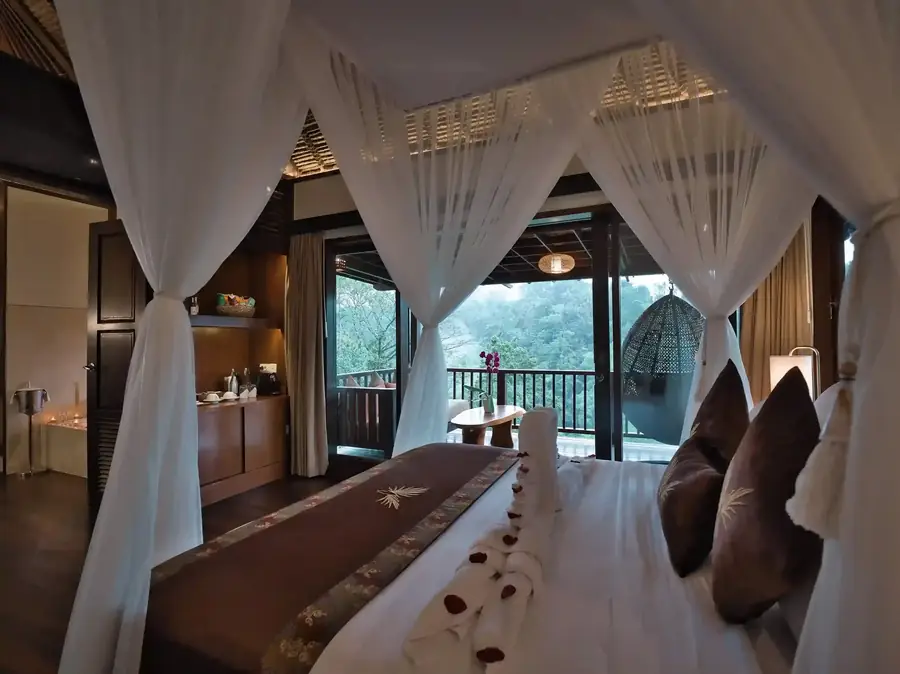
The physical attributes of luxury villas are constantly evolving to meet and exceed the expectations of a sophisticated clientele. High-end travelers expect more than just a pool; they seek integrated wellness facilities, state-of-the-art entertainment systems, and sustainable design elements. Villas now routinely feature private gyms with professional-grade equipment, dedicated spa rooms for in-villa treatments, advanced home automation systems, and high-speed fiber optic internet connectivity.
A prime example is the ‘The Sanctuary Collection’ of villas in Canggu, which by 2026 is projected to incorporate advanced air purification systems, smart climate control in every room, and dedicated home cinema rooms with 4K projection. The average investment in upgrading a 4-bedroom luxury villa to meet these evolving standards is estimated at USD 150,000 to USD 250,000, covering everything from sustainable building materials to high-end interior finishes and technological infrastructure. These investments are not merely aesthetic; they are strategic decisions to enhance the overall guest experience, ensuring the villa remains competitive and continues to attract and retain its affluent demographic. The focus on integrating local artisan craftsmanship with modern luxury, for instance, resonates deeply with guests seeking authenticity without compromising comfort.
Curated Immersion: Beyond the Villa Walls
While the villa provides a private haven, high-end travelers also seek authentic and curated experiences that offer a deeper connection to Bali’s rich culture and natural beauty. Luxury villa operators excel in facilitating these bespoke immersions, differentiating themselves from standard tour operators. These experiences range from private yoga and meditation sessions with renowned local gurus to exclusive cooking classes utilizing ingredients sourced from local markets, or guided tours to less-frequented temples and artisanal villages.
Unlike mass tourism offerings, these are meticulously planned to align with individual guest interests, ensuring exclusivity and authenticity. For instance, a guest might request a private audience with a local healer or an exclusive access tour to a traditional Balinese ceremony. This ability to facilitate unique, insider access to Balinese culture is a significant draw. The official tourism portal of Indonesia highlights Bali’s diverse cultural offerings, from spiritual retreats to vibrant arts scenes, which luxury villa operators leverage to create these experiences. [Visit Indonesia.travel for more on Bali’s cultural richness.](https://www.indonesia.travel/gb/en/destinations/bali) The convenience of having these experiences arranged seamlessly by their dedicated villa team, often with private transport and expert guides, removes logistical burdens and enhances the overall quality of the cultural engagement.
Economic Value Proposition for the Discerning Group
While the nightly rates for luxury villas might appear substantial, a data-driven comparison reveals a compelling economic value proposition, especially for families or groups traveling together. In 2026, a high-end 4-bedroom luxury villa in Seminyak, managed by an operator like ‘Elite Bali Estates,’ is projected to command an average nightly rate of USD 3,800 during peak season. To accommodate a similar group (e.g., 8 adults) in a comparable luxury hotel setting would necessitate booking four separate premium suites. Factoring in the projected average nightly rate of USD 950 per suite in a leading five-star hotel, the total cost would be USD 3,800, equivalent to the villa.
However, the villa offers significantly more: private living areas, a dedicated chef (often with grocery costs as the only additional charge), a private pool, and the invaluable privacy mentioned earlier. When considering the cost of dining out for every meal, separate lounge access, and limited shared spaces in a hotel, the villa often presents a more cost-effective and superior experience for groups. This calculation, often performed by personal assistants or wealth managers, reinforces the villa’s appeal as a smart luxury investment for multi-generational families or friends traveling together. The island of Bali itself has a well-established infrastructure supporting this luxury segment, as detailed on its [Wikipedia page](https://en.wikipedia.org/wiki/Bali), making it a reliable destination for such high-value propositions.
Market Resilience and Future Growth Projections
Bali’s luxury villa rental market has demonstrated robust resilience against global economic fluctuations and travel advisories. Post-pandemic recovery has been swift, with high-end segments showing the quickest rebound. Projections for 2026 indicate a continued upward trajectory, driven by increasing wealth in key feeder markets and a sustained preference for private, exclusive accommodations. Analysts forecast a 10-12% year-over-year growth in the luxury villa segment’s revenue, outpacing the broader tourism sector. This growth is underpinned by Bali’s enduring appeal as a safe, culturally rich, and aesthetically pleasing destination that consistently delivers on its promise of luxury and tranquility. Government initiatives to improve infrastructure and promote sustainable tourism further solidify Bali’s position as a premier luxury destination.
The consistent return of high-end travelers to luxury Bali villa rentals is not merely a matter of preference but a calculated decision based on quantifiable benefits: privacy, hyper-personalized service, state-of-the-art amenities, curated cultural immersion, and a demonstrably superior value proposition for groups. These factors collectively create a compelling ecosystem that fosters deep loyalty and ensures a steady stream of repeat clientele.
Actionable Advice for Luxury Bali Villa Rental Operators:
* **Invest in Human Capital Development:** Prioritize continuous training for villa staff, focusing on advanced hospitality skills, cultural sensitivity, and proactive guest anticipation. Implement retention strategies to maintain experienced teams, as staff consistency is a primary driver of guest loyalty.
* **Enhance Digital Infrastructure and Personalization:** Leverage data analytics to understand guest preferences pre-arrival and post-stay. Implement smart home technologies and robust high-speed internet to meet connectivity demands, and use AI-driven tools to offer hyper-personalized recommendations for in-villa services and curated excursions.
* **Develop Bespoke Experiential Packages:** Move beyond standard offerings by collaborating with local experts to create unique, exclusive, and authentic Balinese experiences that cannot be replicated by larger resorts. Focus on niche interests such as specialized wellness retreats, culinary journeys, or artistic workshops.
* **Prioritize Sustainable Luxury Integration:** Invest in environmentally conscious practices and features, from energy-efficient systems and waste management to sourcing local, organic produce. Communicate these efforts transparently to guests, as sustainability is an increasingly important factor for high-end travelers.