Navigating the regulatory landscape for marine activities in Bali requires understanding the 2026 permit system. Foreign visitors engaging in water-based tourism within designated Marine Protected Areas (MPAs) must secure specific permits, a policy designed to fund conservation efforts. As of January 1, 2026, fees for activities like diving and snorkeling in key conservation zones, such as Nusa Penida, saw an average increase of 15% for international guests, contributing directly to coral reef restoration and marine wildlife protection initiatives. This structured approach ensures sustainable tourism practices across Bali’s rich underwater ecosystems, a point regularly emphasized by the Indonesian Ministry of Tourism and Creative Economy [kemenparekraf.go.id].
Understanding Bali’s Marine Protected Areas (MPAs) in 2026
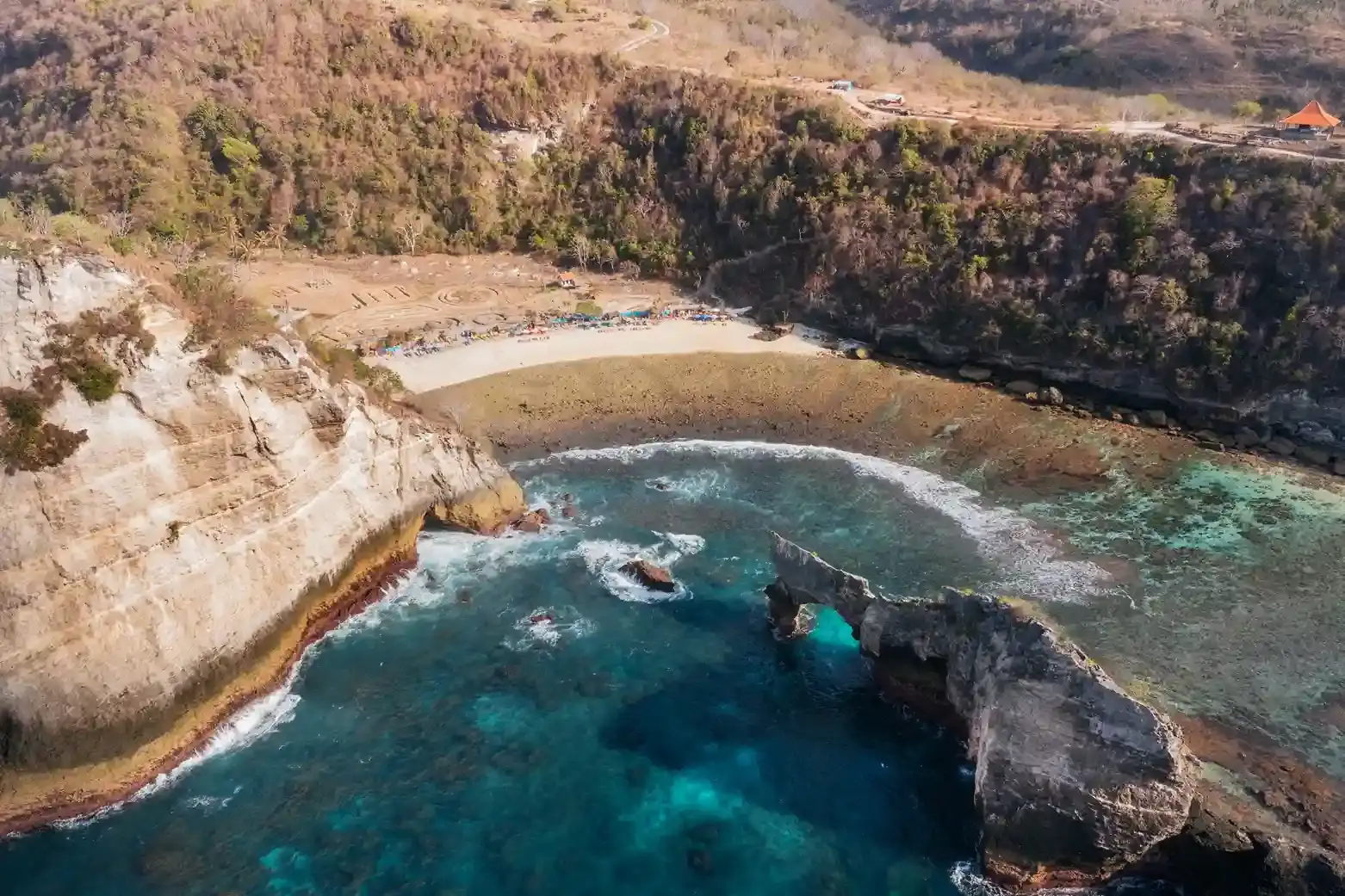
Bali’s Marine Protected Areas (MPAs) are designated zones safeguarding critical marine habitats and biodiversity. These areas enforce specific regulations to preserve coral reefs, fish populations, and endangered species like manta rays and sea turtles. Key MPAs include the West Bali National Park (including Menjangan Island), the Nusa Penida Marine Protected Area, and the Gili Islands Marine Park (though technically Lombok, it’s often part of Bali itineraries). The Nusa Penida MPA alone covers approximately 20,000 hectares, established in 2010 to protect its unique pelagic species and coral formations. These zones are crucial for maintaining ecological balance and supporting the local tourism economy, as detailed by conservation reports [whc.unesco.org].
Who Requires a Marine Park Permit in 2026?
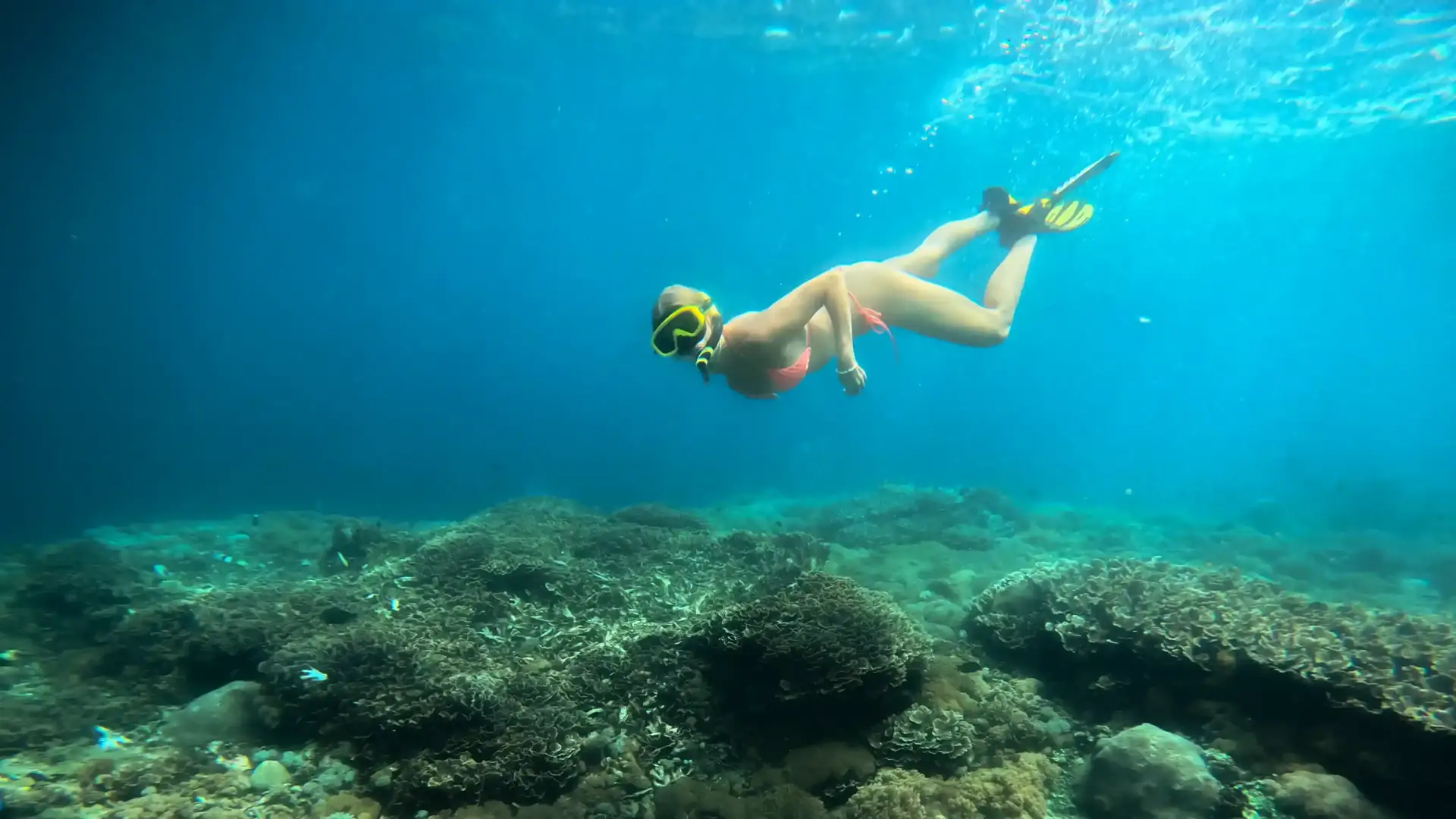
Specific marine activities within Bali’s protected zones mandate a permit for all foreign tourists as of 2026. This includes scuba diving, free diving, snorkeling excursions, and certain boat tours operating within MPA boundaries. For instance, any organized tour visiting the waters around Menjangan Island or Nusa Penida for in-water activities requires valid permits for each participant. Independent operators and private charters are also subject to these regulations; a single dive permit typically covers one day of diving within a specified MPA. Enforcement has seen a 20% increase in spot checks since early 2026, particularly in high-traffic areas like Crystal Bay and Manta Point.
2026 Marine Park Permit Costs and Fee Structures
The fee structure for marine park permits in 2026 varies based on the activity and duration, with distinct rates for foreign tourists. A standard daily snorkeling permit for the Nusa Penida MPA costs approximately USD 10-15 per person, while a daily dive permit ranges from USD 15-25. These fees are collected by authorized park rangers or designated tour operators and are non-negotiable. For extended stays, some multi-day permits offer slight discounts, though daily permits remain the most common. Revenue generated is allocated to park management, ranger salaries, and local community development programs, as confirmed by regional government directives [gov.id].
The Application Process for Foreign Tourists
Securing a marine park permit for foreign tourists in Bali is typically straightforward, often facilitated by licensed tour operators or dive centers. Most luxury villa guests booking private excursions will find the permit acquisition handled directly by their chosen provider. The process usually involves providing a copy of your passport and confirming the dates of your planned activity. For instance, booking a private boat trip from a Uluwatu cliff villa for couples to snorkel in Nusa Penida will usually include permit fees in the package. It is advisable to book at least 24-48 hours in advance, especially during peak season months like June to August, to ensure permit availability and avoid delays.
Penalties for Non-Compliance in Protected Waters
Operating without the requisite marine park permits in Bali’s protected waters carries significant penalties in 2026. Individuals or tour operators found in violation face fines ranging from USD 100 to USD 500 per person for a first offense. Repeat offenders may incur larger fines, potential confiscation of equipment, or even temporary bans from entering MPAs. These strict measures underscore Indonesia’s commitment to marine conservation and deter unauthorized activities. Villa guests engaging in private tours should verify their operator holds all necessary licenses and permits to avoid legal complications, ensuring a smooth and compliant experience from their Canggu luxury villa with private pool.
Sustainability and Conservation Initiatives Funded by Permits
The fees collected from marine park permits directly fuel vital conservation and sustainability initiatives across Bali’s MPAs. Approximately 70% of permit revenue is channeled into programs such as coral reef rehabilitation, marine debris clean-ups, and anti-poaching patrols. In 2025-2026, the Nusa Penida MPA launched a new initiative to plant 5,000 coral fragments across three key sites using permit funds. These efforts are critical for preserving the rich biodiversity that attracts tourists globally. Supporting these permits means directly contributing to the long-term health of Bali’s marine environment, a key aspect of responsible luxury tourism for guests staying in family-friendly luxury villas in Bali.
2026 Marine Park Permit Overview for Bali (Foreign Tourists)
Below is a summary of typical permit types, estimated costs, and validity for foreign visitors in Bali’s key MPAs:
- Nusa Penida Marine Protected Area (MPA) – Snorkeling:
- Cost: USD 10-15 per person
- Validity: 1 day
- Coverage: Access to designated snorkeling spots (e.g., Crystal Bay, Manta Bay).
- Nusa Penida Marine Protected Area (MPA) – Diving:
- Cost: USD 15-25 per person
- Validity: 1 day (for multiple dives within the day)
- Coverage: Access to designated dive sites (e.g., Manta Point, SD Point).
- West Bali National Park (Menjangan Island) – Snorkeling/Diving:
- Cost: USD 20-30 per person (includes park entry fee)
- Validity: 1 day
- Coverage: Access to Menjangan Island marine area for water activities.
- Gili Islands Marine Park (Lombok – often accessed from Bali) – Snorkeling/Diving:
- Cost: USD 5-10 per person (conservation fee, separate from dive/tour fees)
- Validity: Per visit
- Coverage: Contribution to local marine protection for visitors to Gili Trawangan, Meno, Air.
- Special Research/Photography Permits:
- Cost: Varies, typically USD 50-200+ per project
- Validity: Project-specific
- Coverage: Required for professional underwater photography/videography or scientific research.
- Multi-Day/Weekly Permits (Limited Availability):
- Cost: Varies, generally 3-5 times the daily rate for 3-7 days
- Validity: 3-7 consecutive days
- Coverage: Offers convenience for extended stays in a single MPA.
- Private Boat Charter Permits:
- Cost: Included in charter fee, or USD 20-50 per boat per day (operator dependent)
- Validity: 1 day
- Coverage: Permits the vessel to operate within MPA boundaries for tourism activities.
Conclusion
Adhering to Bali’s 2026 marine park permit regulations is essential for any foreign tourist planning water-based activities within its protected areas. These permits, ranging from USD 10 to USD 30 daily for standard activities, directly support critical conservation efforts, including coral restoration and marine wildlife protection. Understanding the application process, typically managed by your tour operator, ensures compliance and avoids penalties. Luxury Bali Villa Rental encourages all guests to prioritize responsible tourism practices, contributing to the preservation of Bali’s stunning marine ecosystems for future generations. Plan your marine adventures with awareness and respect for these vital regulations.