Manta Season — Luxury Bali Villa Rental

Bali, a prime destination for discerning travelers, offers more than its renowned landscapes and cultural richness; it provides extraordinary marine encounters, particularly with manta rays. These majestic filter feeders frequent the waters surrounding the island, making specific periods ideal for sightings. For guests seeking a truly integrated luxury Bali villa rental experience, understanding the peak manta ray season is crucial for planning an unparalleled itinerary. Data from the Indonesian Ministry of Tourism and Creative Economy indicates a consistent interest in marine wildlife encounters, with Nusa Penida recording over 1.2 million tourist visits in 2023, many specifically for diving and snorkeling activities.

Understanding Bali’s Manta Ray Species and Their Habitat

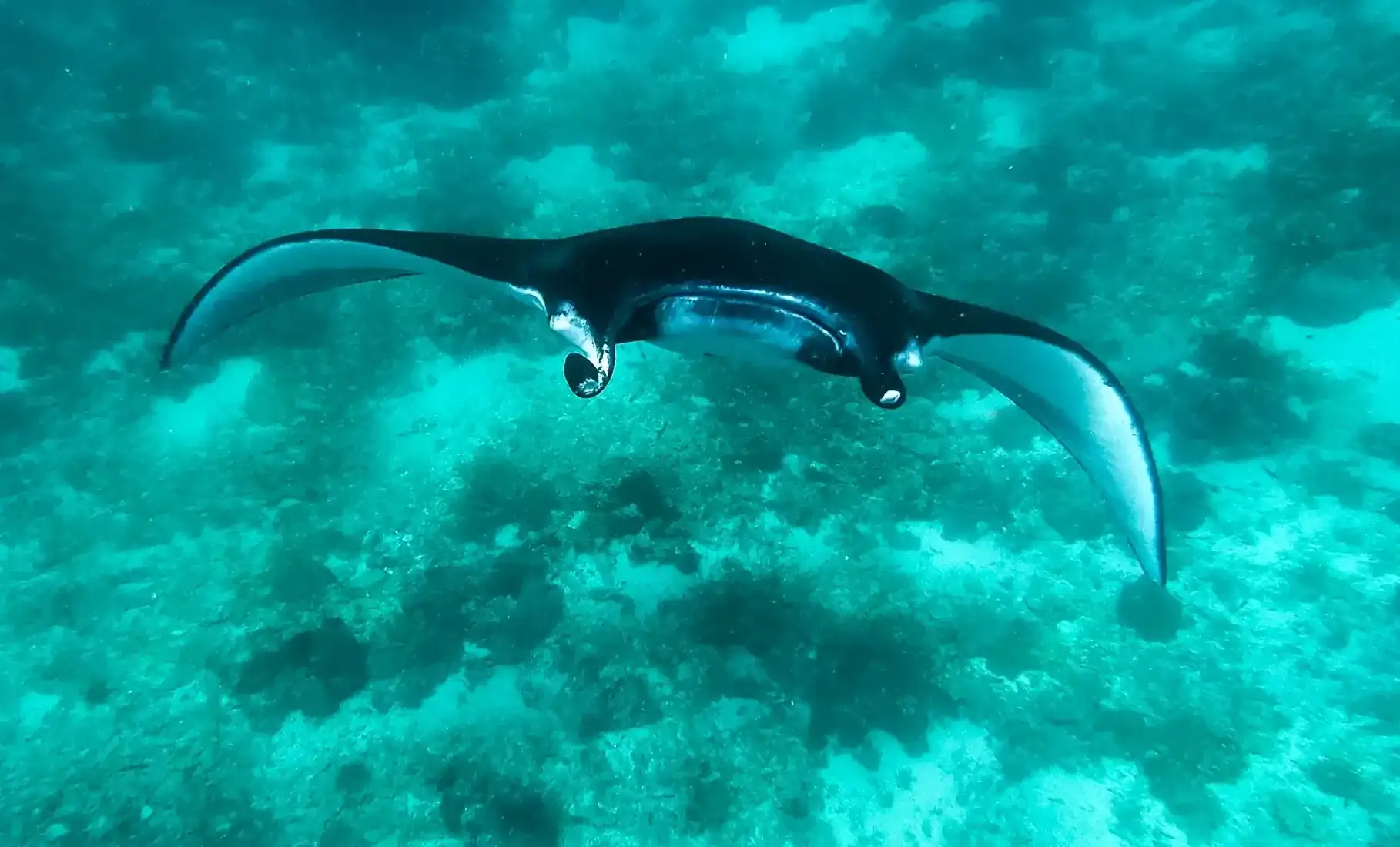
Bali’s waters are home to two primary manta ray species: the reef manta (Mobula alfredi) and the oceanic manta (Mobula birostris). Reef mantas are the more commonly sighted species around Bali, typically reaching a wingspan of up to 5.5 meters. Oceanic mantas, significantly larger with wingspans exceeding 7 meters, are less frequently observed but occasionally pass through deeper channels. These cartilaginous fish are filter feeders, consuming vast quantities of plankton and small fish, a process vital for marine ecosystem health. Manta rays prefer warm, nutrient-rich waters found around Bali’s smaller islands, particularly Nusa Penida and Nusa Lembongan, where specific cleaning stations and feeding grounds exist.

Peak Manta Season in Bali: Optimal Viewing Times

The optimal period for consistent manta ray sightings in Bali extends across two main windows: roughly from April to May and then from September to November. During these months, water conditions, including plankton concentration and clarity, align favorably for manta activity. Specifically, Manta Point, located off the southwest coast of Nusa Penida, boasts a sighting probability of 80-90% during these peak times. Water temperatures generally range from 26°C to 29°C, which supports the plankton blooms that attract mantas. This period often coincides with Bali’s dry season, offering stable weather conditions for boat excursions from mainland Bali, typically a 45-minute speedboat journey from Sanur Harbour. Planning a luxury Bali villa rental during these months significantly increases the likelihood of a successful manta encounter.

Key Manta Ray Sighting Locations: Nusa Penida & Beyond

Nusa Penida is Bali’s undisputed hotspot for manta ray encounters, particularly at two famous sites: Manta Point and Manta Bay. Manta Point, known for its consistent sightings, is a prominent cleaning station where smaller fish remove parasites from the mantas. Manta Bay, a shallower, more sheltered cove, is often frequented by juvenile mantas and offers excellent snorkeling opportunities. While less common, mantas can also be seen around Komodo National Park, though this requires a multi-day liveaboard trip, distinct from Bali day tours. Local operators in Nusa Penida strictly adhere to designated zones, ensuring minimal disturbance to the marine life. In 2025, a new marine protection zone expansion around Nusa Penida further safeguards these critical habitats, as outlined by the [Indonesian Ministry of Marine Affairs and Fisheries](https://kkp.go.id/).

Integrating Manta Expeditions with Your Luxury Bali Villa Rental

A manta ray expedition can seamlessly integrate into a luxury Bali villa rental experience, enhancing a stay focused on relaxation and unique activities. Many luxury villas offer comprehensive concierge services, including arranging private transport to Sanur Harbour and booking reputable marine tour operators. Opting for a bali all inclusive luxury villa with breakfast and driver ensures an early, convenient start to your day trip. Post-excursion, returning to a villa staff can arrange a rejuvenating in-villa massage or a private chef-prepared dinner. Villas also provide comfortable spaces to review underwater photography and share experiences. For instance, a bali luxury cliff villa in Uluwatu for couples offers stunning ocean views, providing a thematic continuation of the marine adventure.

Responsible Manta Ray Encounters: Eco-Tourism Practices

Engaging with manta rays requires strict adherence to responsible eco-tourism practices, a growing priority in Bali’s 2026 tourism framework. The local marine park authorities have established guidelines to protect these vulnerable species. These protocols include maintaining a minimum distance of 3-5 meters from the mantas, avoiding sudden movements, and never touching them. Using reef-safe sunscreen is also advised to prevent chemical pollution of their habitat. Choosing certified tour operators who prioritize marine conservation and educate their guests on these guidelines is essential. Many luxury Bali villa rentals partner exclusively with operators holding eco-certification, aligning with the increasing demand for sustainable travel experiences, a key trend identified by the [Bali Villa Realty 2026 trend report](https://www.balivillarealty.com/trends-2026).

The Manta Ray’s Role in Bali’s Marine Ecosystem & Conservation

Manta rays play a critical role in the health of Bali’s coral reef ecosystems. As large filter feeders, they help regulate plankton populations, which in turn influences water quality and light penetration for corals. Their presence also indicates a healthy marine environment, attracting diverse marine life. Both reef and oceanic mantas are listed as ‘Vulnerable’ on the IUCN Red List of Threatened Species, primarily due to overfishing and habitat degradation. Conservation efforts in Bali include the establishment of marine protected areas, such as the Nusa Penida Marine Protected Area, covering approximately 20,000 hectares. Local community involvement, supported by governmental and non-governmental organizations, focuses on educating fishermen and tourists alike on the importance of manta ray protection. These efforts are crucial for sustaining Bali’s unique marine biodiversity for future generations.

Ethical Manta Ray Viewing Guidelines

To ensure a positive experience for both visitors and marine life, adhere to these established guidelines:

  • Maintain a respectful distance: Stay at least 3-5 meters from manta rays.
  • Avoid direct contact: Never touch, chase, or attempt to ride a manta ray.
  • Move calmly and quietly: Sudden movements or loud noises can startle the animals.
  • Do not block their path: Allow mantas to swim freely without obstruction.
  • Limit flash photography: Use natural light to avoid disorienting marine life.
  • Use reef-safe sunscreen: Prevent harmful chemicals from entering the ocean.
  • Choose reputable operators: Select tour companies with strong environmental policies and certified guides.
  • Listen to your guide: Follow all instructions provided by experienced marine professionals.
  • Dispose of waste properly: Keep all trash on the boat and do not litter the ocean.
  • Support local conservation: Consider donating to local marine protection initiatives.
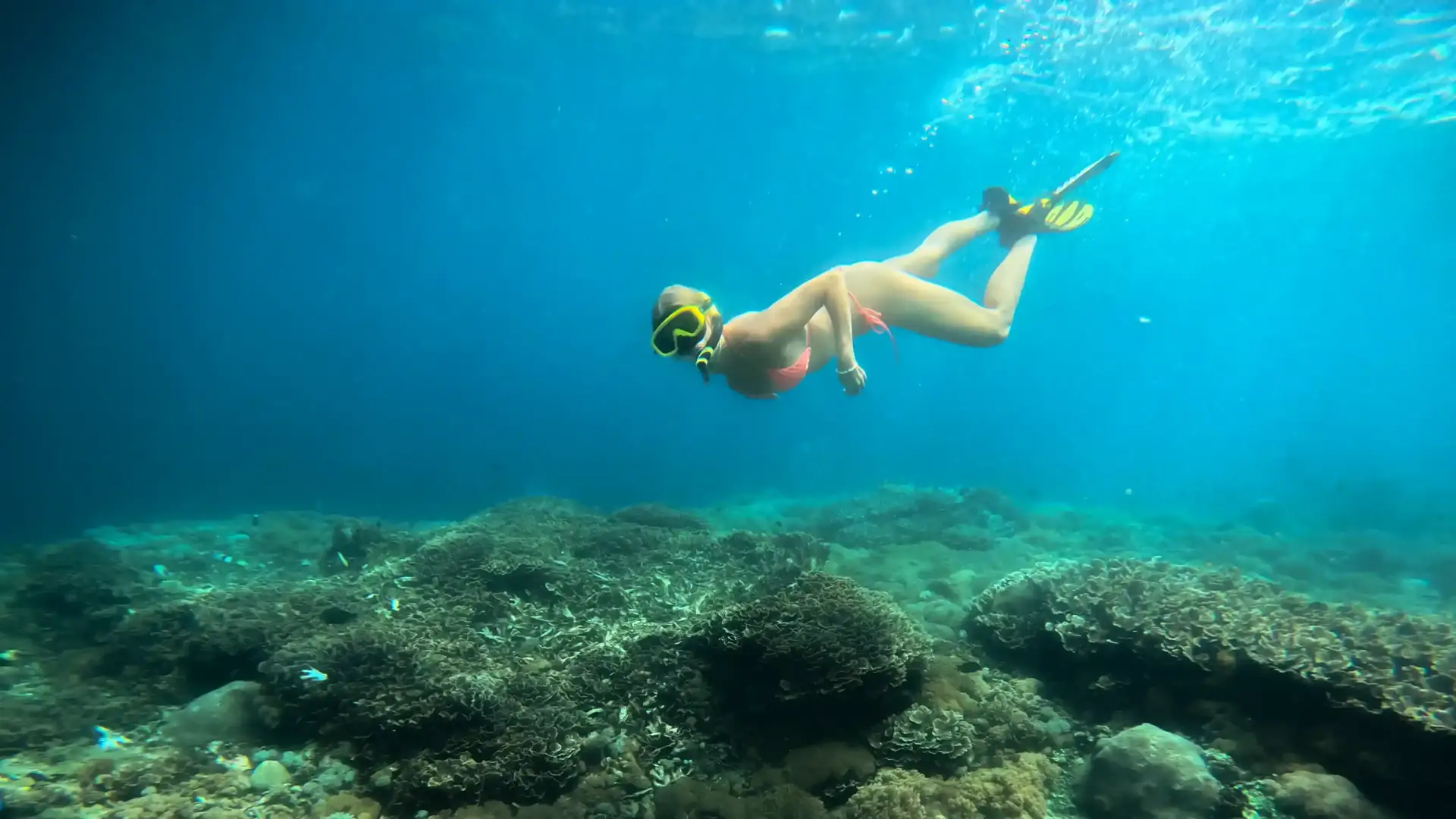
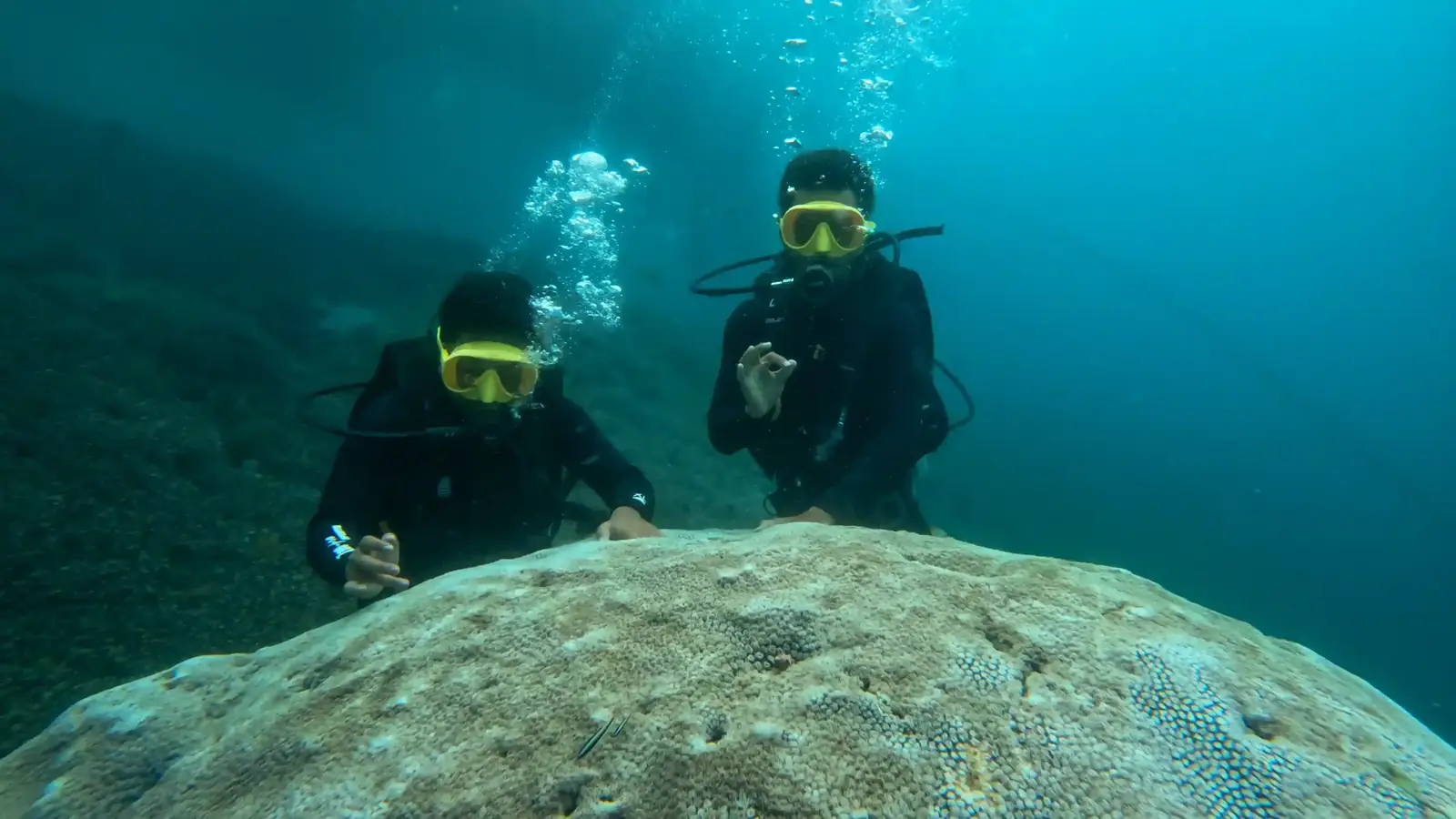
  • Observe from a distance: Snorkelers and divers should remain at the surface or at a safe depth, respectively.

Experiencing Bali’s manta ray season offers a profound connection to nature, complementing the refined comfort of a luxury Bali villa rental. By understanding the optimal viewing times and adhering to ethical interaction guidelines, guests contribute to the preservation of these magnificent creatures and their habitat. Whether seeking a romantic escape in a bali luxury cliff villa for couples or a family adventure from a family friendly luxury villa with staff, integrating a manta ray expedition creates lasting memories. Plan your 2026 visit during the peak season to maximize your chances of witnessing these gentle giants. Contact Luxury Bali Villa Rental today to curate your bespoke itinerary, ensuring both an extraordinary villa stay and an unforgettable marine encounter.