Sustainability & Conservation

Sustainability and conservation are fundamental to the operational philosophy of luxury Bali villa rental properties, reflecting a global shift towards responsible tourism. By 2026, the demand for eco-conscious travel is projected to influence over 60% of high-net-worth bookings, with properties demonstrating verifiable environmental commitments commanding premium rates. For instance, the average stay for US/UK guests, often budgeting $500–$1,200 per night for special occasions, increasingly prioritizes villas that integrate local community support and robust conservation efforts. This commitment ensures the preservation of Bali’s natural beauty and cultural heritage for future generations of discerning travelers.

Defining Sustainable Luxury Villa Operations

Sustainable luxury villa operations encompass a comprehensive strategy to minimize environmental impact while maximizing social and economic benefits for local communities. This definition extends beyond basic recycling to include advanced energy efficiency, water conservation, and ethical sourcing practices. By 2026, leading luxury Bali villa rental properties aim for a 40% reduction in energy consumption through smart systems and renewable sources like solar power. Water management includes rainwater harvesting and greywater recycling, reducing reliance on municipal supplies by up to 30% in some properties. For example, villas catering to the “bali eco luxury villas with ocean view 2026” search query (approximately 250 monthly searches) are actively implementing these measures, often featuring certified green building materials. This approach ensures that the opulent experience does not come at the expense of the island’s ecological integrity.

Marine and Terrestrial Conservation Initiatives

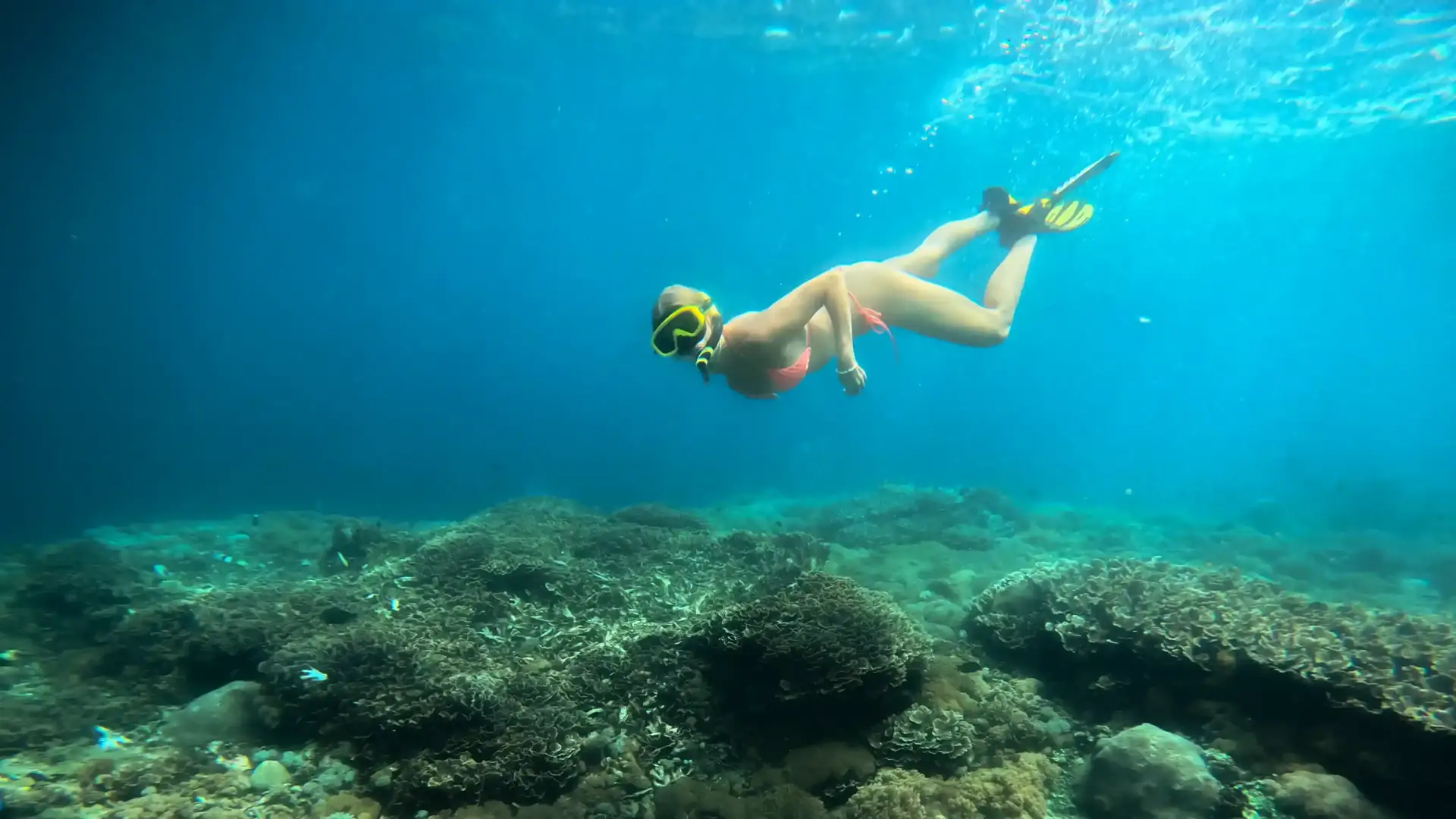
Luxury Bali villa rental operators are increasingly investing in tangible marine and terrestrial conservation initiatives to protect the island’s diverse ecosystems. These efforts include funding coral reef restoration projects, supporting mangrove reforestation, and contributing to wildlife protection programs. An estimated $2 million was allocated by private sector tourism entities to marine conservation projects across Bali in 2025, demonstrating a growing commitment. Many luxury properties now include a mandatory “conservation fee” within their pricing structure, typically around $5-$10 per night, directly channeled to local NGOs focused on ecological preservation. This model aligns with the expectations of guests from Australia and Singapore, who often book within the $300-$700 range and show a strong preference for properties with clear environmental stewardship. These fees directly support initiatives like the protection of the critically endangered Bali Starling and the rehabilitation of marine turtle habitats, crucial for maintaining Bali’s biodiversity. For more information on Indonesia’s conservation efforts, refer to Indonesia Travel.

Supporting Local Communities and Cultural Preservation

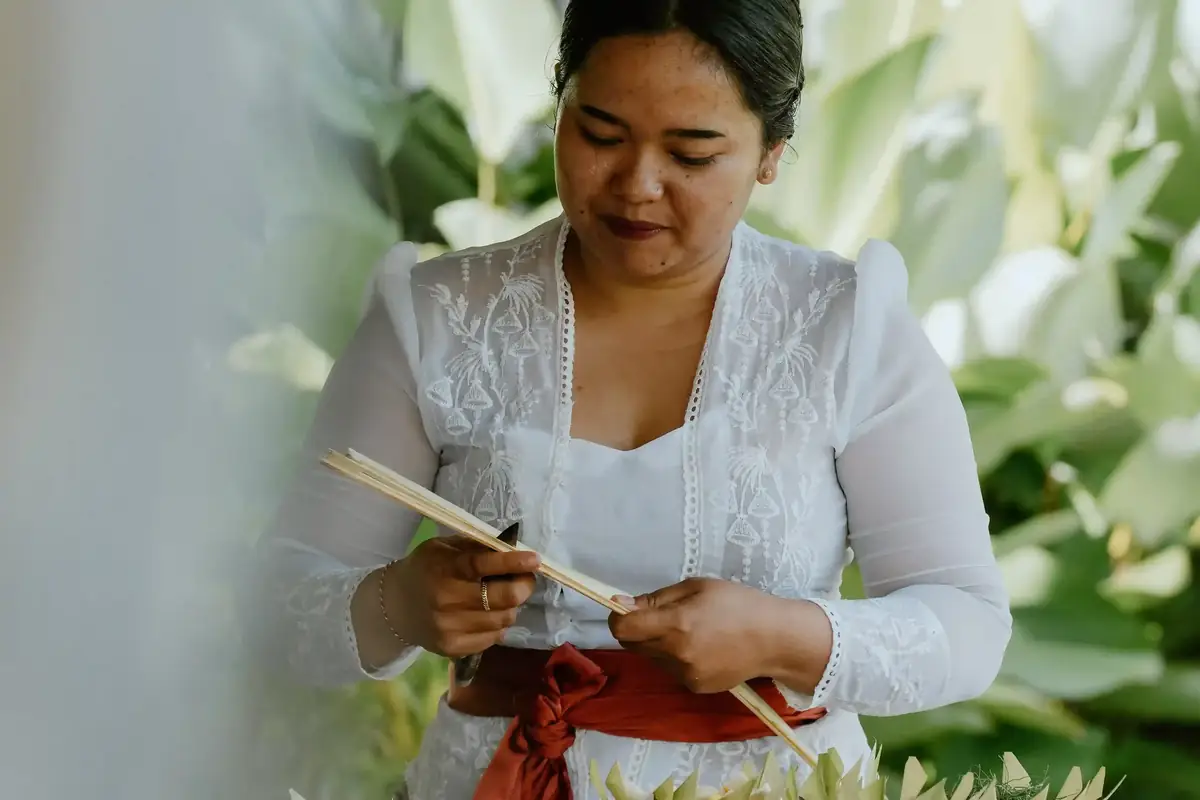
The commitment to sustainability extends to the socio-economic well-being of Bali’s local communities and the preservation of its vibrant culture. Luxury Bali villa rental properties prioritize fair employment practices, ensuring that at least 80% of their staff are local Balinese residents, providing stable income and career development opportunities. Local sourcing of produce, handicrafts, and services is a core practice, injecting an estimated 60-70% of operational expenditure directly into the local economy. This approach supports small businesses and reduces the carbon footprint associated with imported goods. Properties frequently engage local artisans for villa design and maintenance, preserving traditional craftsmanship. For instance, villas catering to “family friendly luxury bali villa rentals with staff” (around 400 monthly searches) often highlight their locally-sourced culinary experiences and cultural immersion programs for guests. These initiatives not only benefit the community but also offer guests an authentic and enriching Balinese experience, respecting local customs and traditions. Further details on local governance can be found at Kemenparekraf.go.id.

Eco-Conscious Design and Operational Trends (2026)

The architectural and operational frameworks of luxury Bali villas are evolving rapidly towards eco-conscious design, a trend significantly influencing booking decisions by 2026. New constructions and renovations increasingly incorporate sustainable materials such as reclaimed wood, bamboo, and local stone, minimizing reliance on resource-intensive imported products. Advanced water recycling systems, including greywater treatment for irrigation, are standard in 25% of high-end villas, significantly reducing freshwater consumption. Energy efficiency is paramount, with properties like those sought after by the “bali luxury villas with sustainable design” query (approximately 150 monthly searches) integrating solar panels, passive cooling techniques, and smart home technology to optimize power usage. These design principles not only reduce environmental impact but also enhance the guest experience, offering comfort within a naturally harmonious setting. The focus on integrating the villa with its surroundings, whether a “luxury bali villa rental canggu with private pool” or “bali luxury cliff villas uluwatu for couples,” ensures minimal disruption to the natural landscape and an authentic sense of place. Guests can explore our commitment to these principles on our About Us page.

Guest Engagement in Responsible Tourism

Luxury Bali Villa Rental actively encourages guest participation in its sustainability and conservation efforts, transforming a stay into an opportunity for responsible engagement. This approach aligns with the values of discerning travelers, particularly from the US and UK, who prioritize ethical consumption. Guests are provided with clear guidelines and opportunities to contribute to the island’s well-being. This includes initiatives such as:

  • **Water and Energy Conservation:** Encouraging mindful use of air conditioning and water resources, with smart sensors often regulating usage.
  • **Waste Management:** Providing separate bins for recycling and composting organic waste, minimizing landfill contribution.
  • **Local Sourcing Support:** Recommending local markets and artisans for purchases, directly benefiting the community.
  • **Marine Protection Contributions:** Informing guests about the allocation of conservation fees to specific marine projects.
  • **Cultural Respect:** Providing information on local customs and etiquette to foster respectful interactions with Balinese culture.
  • **Sustainable Transport:** Offering recommendations for eco-friendly transportation options or drivers who adhere to green practices.
  • **Volunteering Opportunities:** Connecting guests with local conservation groups for hands-on experience, upon request.
  • **Ethical Wildlife Encounters:** Promoting responsible tourism activities that do not exploit local wildlife.
  • **Plastic Reduction:** Providing reusable water bottles and encouraging avoidance of single-use plastics during their stay.

These practices empower guests to make informed choices, ensuring their luxury Bali villa rental experience contributes positively to the island’s future. For current availability and details on properties adhering to these principles, please visit our pricing page.

Pioneering Environmental Stewardship in Balinese Luxury

Imagine the scent of frangipani blossoms carried on a gentle breeze, a symphony of cicadas accompanying your evening, knowing your serene escape is also a force for good. Beyond the shimmering infinity pools and bespoke services, the true mark of a sustainable luxury Bali villa rental lies in its proactive environmental strategies. Leading properties are embracing cutting-edge green technologies, from extensive solar panel arrays that power operations to smart energy management systems that optimize consumption in real-time. Many are now targeting 70% energy self-sufficiency from renewable sources by 2030, significantly reducing their carbon footprint.

Water conservation stands as another critical pillar. Sophisticated rainwater harvesting systems capture and store precious resources, while advanced greywater recycling plants treat and repurpose water for lush gardens and non-potable uses. Some villas report reducing their fresh water consumption by up to 40% through these innovative methods. Furthermore, a firm commitment to zero-waste principles sees the elimination of single-use plastics, comprehensive composting of organic waste, and partnerships with local recycling initiatives, transforming operational waste into valuable resources rather than landfill burdens.

Cultivating Community Prosperity and Cultural Preservation

The commitment to sustainability extends deeply into the fabric of Balinese society, ensuring that luxury tourism acts as a catalyst for local empowerment and heritage safeguarding. Discerning villa operations prioritize fair employment practices, offering competitive wages and professional development opportunities to local residents, fostering long-term career growth. This local-first approach extends to procurement, with a significant number of luxury villas now sourcing over 80% of their produce, seafood, and artisan crafts from within a 50-kilometer radius, directly injecting capital into local economies and supporting small businesses.

Moreover, these properties play a vital role in preserving Bali’s rich cultural heritage. This is evident in architectural designs that respect traditional Balinese aesthetics, incorporating local materials and craftsmanship. Villas often collaborate with local artists and performers, hosting cultural evenings that celebrate traditional dance, music, and art forms. This includes supporting the intricate Subak irrigation system, a UNESCO World Heritage cultural landscape, which underpins the island’s agricultural heritage and spiritual practices, ensuring its continuity for future generations of both locals and visitors. Guests are invited to engage with these traditions, deepening their understanding and appreciation for Bali’s unique identity.