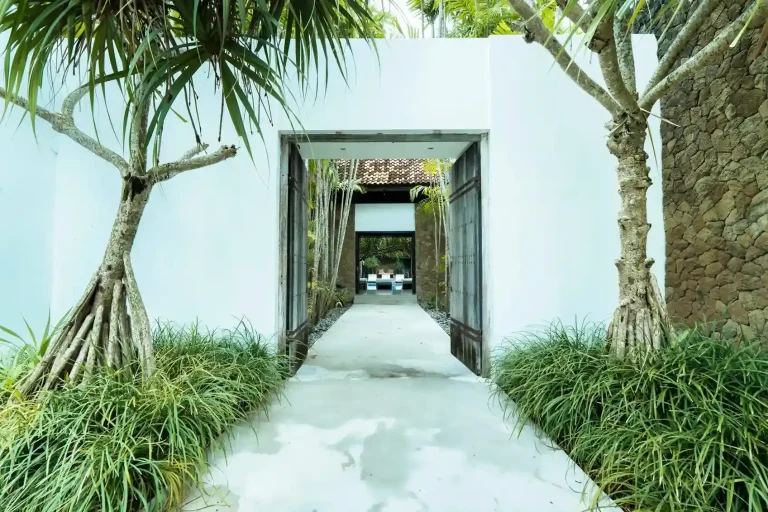


Decoding Luxury Bali Villa Rental Quality: Six Metrics Sophisticated Travelers Use Before Booking
By Luxury Bali Villa Rental Editorial Desk 7 min read
Decoding Luxury Bali Villa Rental Quality: Six Metrics Sophisticated Travelers Use Before Booking
The discerning traveler seeking a luxury villa in Bali understands that market nomenclature frequently outpaces actual product delivery. The term “luxury” has become ubiquitous, necessitating a more rigorous evaluation framework. As the global travel landscape evolves towards 2026, the metrics for assessing true luxury in Bali’s competitive rental market transcend superficial aesthetics, focusing instead on quantifiable operational excellence, infrastructure resilience, and an unwavering commitment to bespoke service. This analysis outlines six critical indicators sophisticated travelers employ to distinguish premium offerings from aspirational marketing.
Bali, an Indonesian island renowned for its volcanic mountains, coral reefs, and spiritual sites, has long been a magnet for high-net-worth individuals. The island’s luxury accommodation sector is projected to continue its robust growth, with a focus on privacy, exclusivity, and integrated experiential offerings. Navigating this sector requires a data-driven approach, moving beyond glossy brochures to scrutinize the underlying operational protocols and physical assets.
1. Architectural Integrity and Design Pedigree
The foundation of a luxury villa begins with its architectural and structural integrity. Beyond aesthetic appeal, sophisticated travelers evaluate the quality of construction materials, adherence to international building codes, and the involvement of reputable architects and interior designers. A villa’s design pedigree often correlates directly with its long-term comfort, functionality, and intrinsic value.
For 2026 bookings, a property like Purnama Estates’ ‘The Sanctuary at Seseh’ exemplifies this metric. Designed by the internationally recognized firm of GFAB Architects, known for their sustainable luxury resort projects across Southeast Asia, the estate features robust construction utilizing locally sourced volcanic stone, Bangkirai hardwood, and high-grade imported finishes. Its structural engineering accounts for seismic activity, a critical consideration in the Indonesian archipelago. The six-bedroom main villa, priced at approximately USD 8,500 per night during peak season 2026, for up to 12 guests, showcases meticulous attention to detail, from its cantilevered infinity pools to its integrated climate control systems. Inferior properties often exhibit shortcuts in foundational work, material quality, or lack proper architectural oversight, leading to maintenance issues and compromised guest experience.
2. Service Protocol and Staff-to-Guest Ratio
True luxury service is defined by anticipation, discretion, and a high staff-to-guest ratio, enabling personalized attention without intrusion. This metric goes beyond simply having staff; it scrutinizes their training, departmental structure, and the operational procedures governing their roles.
Consider ‘Uluwatu Grand Reserve,’ a private 8-bedroom cliff-top estate accommodating up to 16 guests, with a projected 2026 nightly rate of USD 15,000 during high season. This property operates with a dedicated staff complement of 24, translating to an industry-leading 1.5:1 staff-to-guest ratio at full occupancy. The team includes a European-trained Villa Manager, an Executive Chef with international experience, multiple personal butlers, housekeepers, gardeners, security personnel, and dedicated maintenance technicians. Each staff member undergoes rigorous hospitality training, often certified by international hotel groups, ensuring adherence to global service standards. Detailed standard operating procedures (SOPs) cover everything from discreet room servicing to personalized dietary accommodations. Properties with fewer, less specialized staff often struggle to deliver the seamless, anticipatory service expected at the pinnacle of luxury.
3. Infrastructure and Redundancy Systems
The reliability of essential services—power, water, internet, and security—is paramount in a luxury setting, particularly in regions where public infrastructure can be variable. Sophisticated travelers prioritize villas equipped with comprehensive redundancy systems to ensure uninterrupted comfort and safety.
A benchmark for this is ‘The Seminyak Residence,’ a four-bedroom property managed by Elite Bali Holdings, available for approximately USD 4,000 per night in 2026, accommodating up to 8 guests. This villa boasts a dedicated 150 kVA silent diesel generator with automatic transfer switch capability, ensuring seamless power supply within seconds of a grid outage. Its water management includes a deep well, a reverse osmosis filtration system for potable water, and large-capacity storage tanks. Internet connectivity is provided via a dedicated fiber optic line offering symmetrical speeds of 200 Mbps, backed by a secondary satellite internet system. Security protocols include 24/7 CCTV surveillance, perimeter motion sensors, and a team of trained security guards, integrated with a local rapid-response unit. Such robust infrastructure mitigates common inconveniences, distinguishing it from properties reliant solely on public utilities.
4. Culinary Capabilities and F&B Sourcing
The culinary program within a luxury villa should rival that of a high-end restaurant, offering bespoke dining experiences tailored to guest preferences, dietary requirements, and gastronomic expectations. This metric assesses the chef’s qualifications, menu flexibility, and the provenance of ingredients.
The culinary offering at ‘Villa Tirta Nila’ in Candidasa, offered by Oceanfront Estates Bali for USD 3,200 per night in 2026 for its 6 bedrooms (12 guests), exemplifies a superior standard. The villa employs an Executive Chef who previously held positions in renowned five-star hotel kitchens in Singapore and Australia. The culinary program emphasizes hyper-local, organic produce sourced daily from Bedugul farms and fresh seafood from local fishermen, complemented by a curated selection of imported specialty ingredients (e.g., Australian Wagyu beef, French cheeses). Menus are fully customizable, developed in consultation with guests prior to arrival, and can accommodate complex dietary restrictions, allergies, and preferences, including vegan, gluten-free, and kosher options. The villa also maintains an extensive wine cellar featuring international selections. Lesser properties often rely on generic catering or less experienced cooks, limiting the scope for personalized and high-quality dining.
5. Privacy, Site Planning, and Environmental Integration
Exclusivity and privacy are core tenets of luxury travel. This metric evaluates the villa’s physical layout, its distance from public areas, the effectiveness of its landscaping for seclusion, and its harmonious integration with the surrounding natural environment, particularly in sensitive ecosystems like Bali.
A prime example is ‘The Hidden Gem Estate’ in Tabanan, a sprawling 2-hectare property available for USD 10,000 per night in 2026 for its 7 bedrooms (14 guests), managed by Private Bali Retreats. Located approximately 15 kilometers from the nearest public road, the estate is meticulously designed for absolute seclusion. Its expansive grounds feature mature tropical landscaping, strategically placed pavilions, and natural barriers that ensure no direct line of sight from neighboring properties or public vantage points. The design minimizes light and sound pollution, preserving the tranquility of its rice paddy and jungle surroundings. Furthermore, the property adheres to strict environmental guidelines, including wastewater treatment, responsible waste management, and minimal ecological footprint, aligning with Bali’s commitment to sustainable tourism. [Indonesia.Travel](https://www.indonesia.travel/gb/en/destinations/bali) highlights the island’s diverse landscapes, making such integration crucial. Properties lacking thoughtful site planning often suffer from noise intrusion, visual pollution, or inadequate separation from external influences.
6. Operator Due Diligence and Portfolio Consistency
The quality of a luxury villa rental is often inextricably linked to the reputation and operational rigor of its management company or individual owner. Sophisticated travelers conduct due diligence on the operator’s track record, financial stability, insurance coverage, and the consistency of quality across their entire portfolio.
Operators like ‘Luxury Bali Villa Management (LBVM)’, managing properties such as ‘Villa Amrita’ (4 bedrooms, 8 guests, USD 3,500 per night in 2026), demonstrate consistent excellence. LBVM maintains a portfolio of over 15 high-end villas, each adhering to a uniform standard of service, maintenance, and guest experience, verified through regular internal audits and independent third-party assessments. They provide comprehensive liability insurance, clear contractual terms, and transparent communication protocols. Their financial stability ensures resources are available for ongoing maintenance, staff training, and immediate issue resolution. The Ministry of Tourism and Creative Economy (Kemenparekraf) emphasizes the importance of professional management in elevating Indonesia’s tourism offerings. Operators with inconsistent portfolios, opaque contractual terms, or a history of guest complaints signal potential risks that sophisticated travelers are keen to avoid.
In conclusion, the pursuit of genuine luxury in Bali’s villa rental market demands a methodical approach. By applying these six metrics, travelers can move beyond marketing rhetoric to identify properties that consistently deliver an exceptional, reliable, and truly exclusive experience.
Actionable Advice for Booking:
- Request Detailed Specifications: Insist on receiving a comprehensive property dossier detailing architectural plans, staff organization charts, infrastructure schematics (power, water, internet), and a sample culinary portfolio before committing.
- Verify Operator Credentials: Research the villa management company or owner’s reputation, portfolio consistency, and legal standing. Seek independent reviews and professional affiliations.
- Inquire About Redundancy: Specifically ask about backup power generation, water purification, and alternative internet solutions. Confirm these systems are regularly tested and maintained.
- Clarify Service Inclusions: Obtain a precise breakdown of included staff, their working hours, and any additional charges for services such as private chef overtime, special ingredient sourcing, or vehicle and driver usage.